[Case 03]

IT system for management

Agricultural
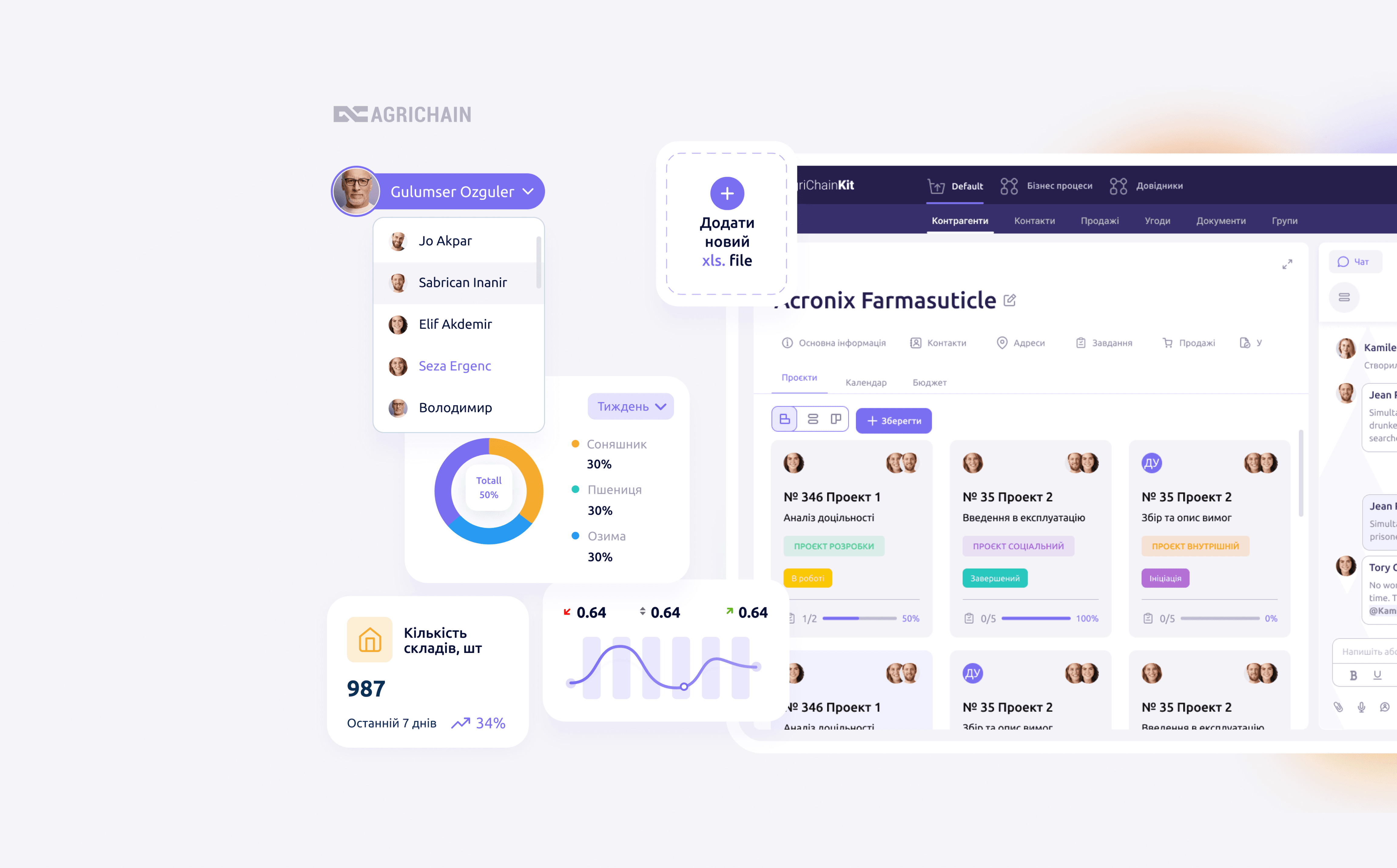
Agricultural management platform

Transforming Complex Agricultural Data into Actionable Decisions

[Project Overview]

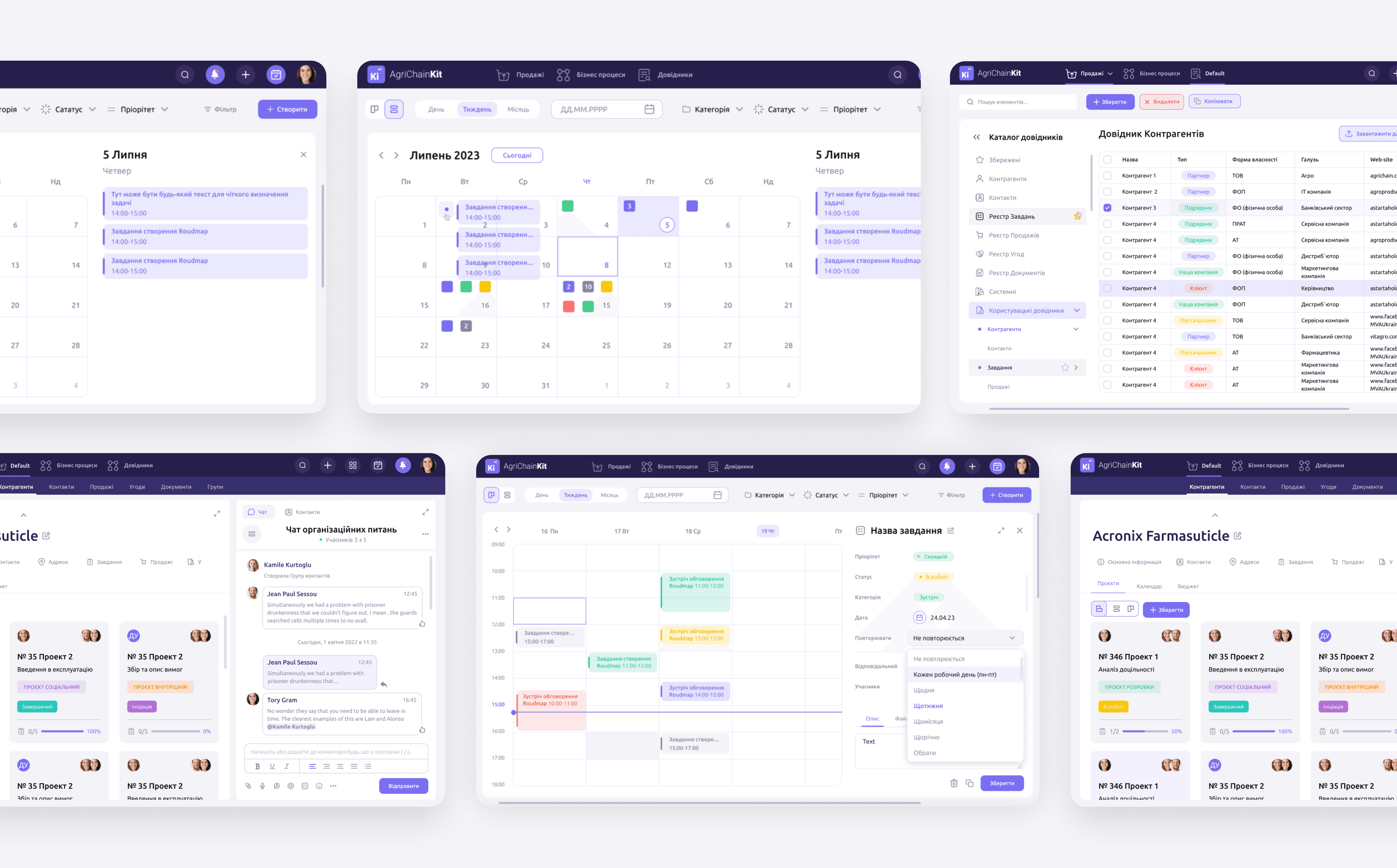
AgriChain is a data-heavy agricultural management platform designed to help farmers and agribusiness teams manage operations such as crop planning, machinery usage, accounting, weather My role focused on transforming complex agricultural data into clear, actionable workflows aligned with real farmer mental models.

[Problem Statement]

Farmers were required to work with highly technical and disconnected data sets, leading to:

  • Cognitive overload caused by dense dashboards and unclear data hierarchy

  • Inconsistent navigation and interaction patterns across modules

  • Difficulty understanding next steps or making confident decisions

  • Lack of a unified UX framework for data-driven workflows

As a result, users relied heavily on manual processes or external tools, reducing trust and engagement with the platform.

[Industry]

Agricultural

[My Role]

Senior UX/UI

[Platforms]

Desktop and Android
[Process]

[01] User Research

Conducted field research and qualitative interviews with farmers and agribusiness operators

Observed real on-site workflows to understand how decisions are made under time pressure

Identified key decision points related to planning, forecasting, and operations

[01] User Research

Conducted field research and qualitative interviews with farmers and agribusiness operators

Observed real on-site workflows to understand how decisions are made under time pressure

Identified key decision points related to planning, forecasting, and operations

[01] User Research

Conducted field research and qualitative interviews with farmers and agribusiness operators

Observed real on-site workflows to understand how decisions are made under time pressure

Identified key decision points related to planning, forecasting, and operations

[02] Insights

Users needed clarity, not more data — prioritization mattered more than completeness

Existing dashboards mixed operational, financial, and analytical data without hierarchy

Users struggled to understand system logic and predict outcomes of their actions

[02] Insights

Users needed clarity, not more data — prioritization mattered more than completeness

Existing dashboards mixed operational, financial, and analytical data without hierarchy

Users struggled to understand system logic and predict outcomes of their actions

[02] Insights

Users needed clarity, not more data — prioritization mattered more than completeness

Existing dashboards mixed operational, financial, and analytical data without hierarchy

Users struggled to understand system logic and predict outcomes of their actions

[03 Design Solution]

Rebuilt information architecture to group data around real tasks and decision flows

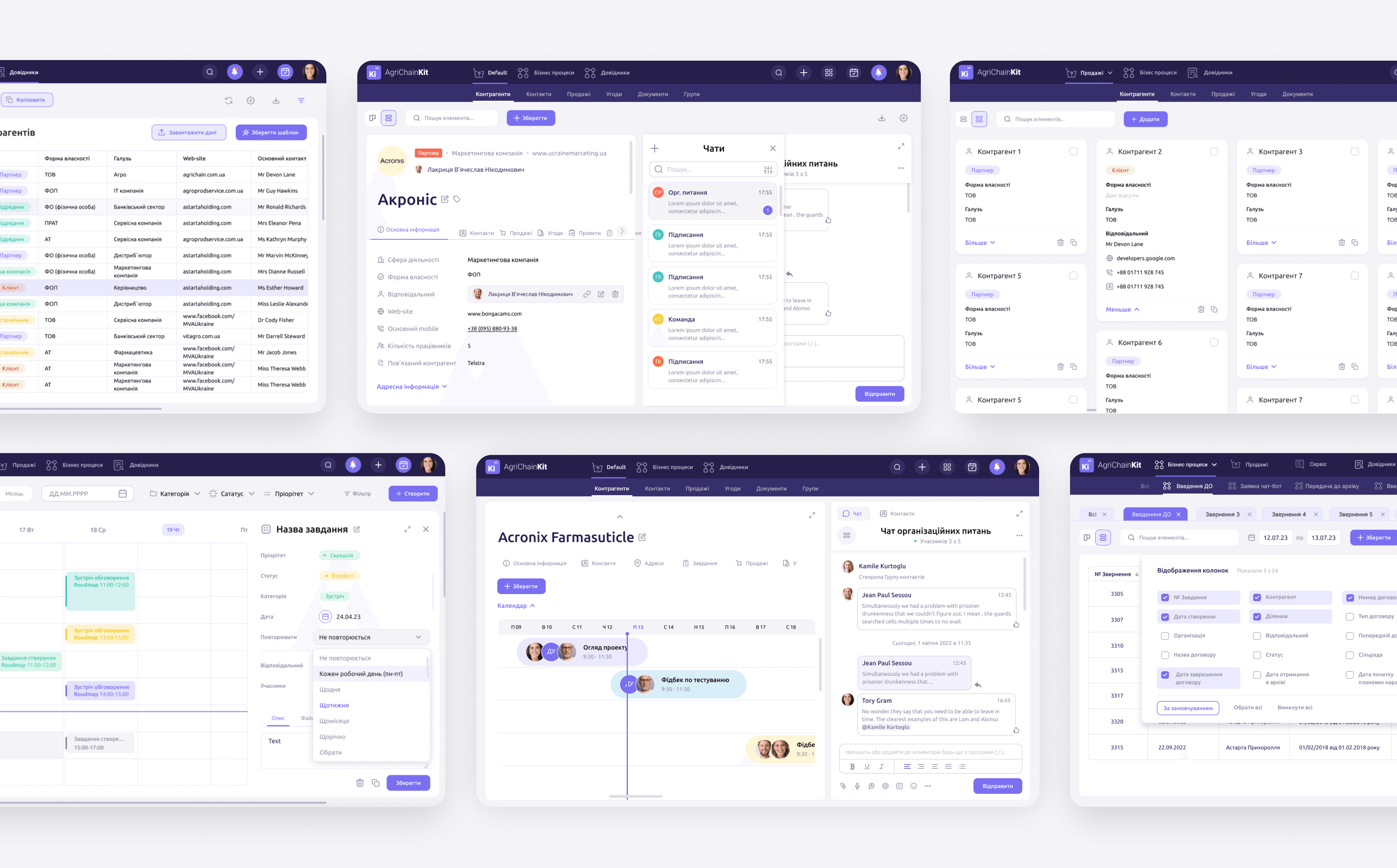
Designed clear navigation patterns and reusable UI components across modules

Created a scalable design system to unify UX logic across the platform

[03 Design Solution]

Rebuilt information architecture to group data around real tasks and decision flows

Designed clear navigation patterns and reusable UI components across modules

Created a scalable design system to unify UX logic across the platform

[03 Design Solution]

Rebuilt information architecture to group data around real tasks and decision flows

Designed clear navigation patterns and reusable UI components across modules

Created a scalable design system to unify UX logic across the platform

[04] Validation & Iteration

Iterated designs based on continuous stakeholder and user feedback

Validated data visualizations with users to ensure alignment with mental models

Worked closely with engineering to balance usability and technical constraints

[04] Validation & Iteration

Iterated designs based on continuous stakeholder and user feedback

Validated data visualizations with users to ensure alignment with mental models

Worked closely with engineering to balance usability and technical constraints

[04] Validation & Iteration

Iterated designs based on continuous stakeholder and user feedback

Validated data visualizations with users to ensure alignment with mental models

Worked closely with engineering to balance usability and technical constraints

[Outcome]

25% increase in user productivity driven by simplified, task-oriented workflows.
15% reduction in operational inefficiencies, reducing duplicated actions and navigation friction.
Higher system adoption and predictability, enabled by clearer IA, consistent UX patterns, and a unified design system.

[Key Learnings]

Data simplicity drives adoption

Even advanced users prefer systems that clearly guide decisions instead of exposing all data at once.

Data simplicity drives adoption

Even advanced users prefer systems that clearly guide decisions instead of exposing all data at once.

Data simplicity drives adoption

Even advanced users prefer systems that clearly guide decisions instead of exposing all data at once.

Mental models

Designing around real workflows had more impact than adding new functionality.

Mental models

Designing around real workflows had more impact than adding new functionality.

Mental models

Designing around real workflows had more impact than adding new functionality.

Consistency enables scale

A unified design system was critical for long-term product growth and cross-module usability.

Consistency enables scale

A unified design system was critical for long-term product growth and cross-module usability.

Consistency enables scale

A unified design system was critical for long-term product growth and cross-module usability.

Select this text to see the highlight effect